Do you feel like your homemade bread just can’t compete with the loaves from the bakery? A crispy crust, a moist crumb—and all without hard wheat? We’ll show you how it’s done, and why the secret often lies in the freshness of the flour.
Why Hard Wheat Is the American Standard
When you buy bread in an American supermarket, it’s almost always made from hard wheat. That’s because this grain naturally has a high gluten content. Gluten is the secret to the typical, airy volume that many of us love in bread. For large-scale bakeries, hard wheat is ideal because it’s easy to process and consistently delivers reliable results.
But what if you want something different? A bread with character, a robust flavor, and valuable nutrients? Then it’s time to expand your horizons and look beyond hard wheat.
The Secret of European Baking: Rye, Spelt, and Freshness
In Europe, particularly in countries like Germany and Austria, breads made from rye and spelt have been a tradition for centuries. But why are these breads so special? A main reason is how the flour is made. Traditional bakers swear by freshly milled grain, because freshness makes the crucial difference in taste and quality.
- Rye: Rye breads have a rich, earthy flavor and a dense, moist crumb. Rye is high in fiber, which aids digestion and keeps you full longer. Because rye has little gluten, it is traditionally baked with sourdough, which gives it its characteristic structure.
- Spelt: Spelt belongs to the “Ancient Grains” family—a term in America that stands for healthy, natural foods. Spelt has a slightly nutty flavor and a better nutritional profile than wheat. It’s easier to work with than rye because it has a different gluten structure that ensures good baking results.
These grains aren’t just a substitute; they’re a flavorful and healthy upgrade.
Your Path to Perfect Bread: Mill Your Own Grain!
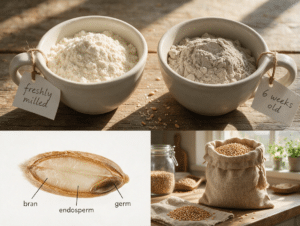
But how do you bring the quality of artisan bakeries into your own kitchen? The answer is simpler than you think: mill your own flour. Commercially produced flour quickly loses nutrients and aroma after milling. The valuable germ oils oxidize, and vitamins are lost.
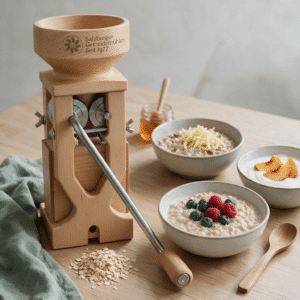
With a Salzburg Grain Mill, you can solve this problem. Instead of buying pre-packaged flour, you mill your grain right before you bake. This isn’t just a fun process; it’s a guarantee for the best possible results:
- Maximum Freshness and Nutrients: You get flour that has retained all its vitamins, minerals, and germ oils. You’ll notice this in the richer flavor and better texture of your bread.
- Full Control: You can determine the fineness of the grind yourself. Do you want a fine rye flour for a lighter loaf or a coarser meal for a rustic farmer’s bread? Your mill makes it possible.
- Taste You Can Savor: The essential oils in freshly milled flour create a more intense aroma that makes your bread taste incomparably good.
Imagine this: You buy organic rye or spelt, mill it in your Salzburger Getreidemühle, mix the ingredients, and a few hours later, you have a fragrant, warm loaf you can proudly serve. That’s baking with passion and genuine craftsmanship.
Conclusion: Just Get Started!
It’s time to discover the old-world baking tradition and bring it into your kitchen. Whether you’re baking a rye sourdough or a light spelt loaf, you’ll taste the difference.
Say goodbye to industrial hard wheat bread and discover the variety of rye, spelt, and more by milling your own. Get your own Salzburg Grain Mill and start your baking adventure today. It’s easier than you think, and the result is worth every bite.
bread baking, rye bread, spelt bread, mill your own flour, grain mill, salzburger grain mill, ancient grains, hard wheat, baking tips, fresh flour