The Secret Ingredient is Patience
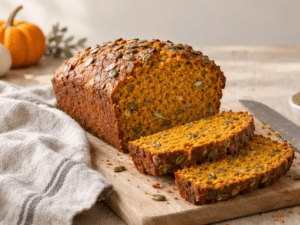
What truly makes a loaf of bread “good”? Is it the golden crust or the airy crumb? While those are important, the real secret is invisible: time. In Slow Baking, we give the dough hours, or even days, to develop. For beginners, this might sound complicated, but it is actually the opposite. Time does the hardest work for you. While the dough rests, magic happens—flavors deepen, the structure strengthens, and the grain breaks down naturally.
The Scent of True Craftsmanship
Imagine a Saturday morning. You bring out your Salzburg Grain Mill. The gentle sound of the stones grinding the grain marks the beginning of your weekend ritual. You feel the warmth of the freshly ground whole grain flour between your fingers. It smells intense, nutty, and alive—a world away from store-bought flour that has sat on a shelf for months.
Using Salzburg Grain Mills allows you to reclaim this tradition. Kneading the dough becomes a form of meditation. You feel the texture change under your hands. In this moment, there are no smartphones or to-do lists—just you, the flour, and the water.
Why Your Body Will Thank You
Patience doesn’t just pay off in flavor; it is the key to digestibility. Long fermentation helps break down compounds in the grain that often make bread hard to digest. A loaf that has been allowed to mature is a gift to your body. It keeps you full longer and provides the full energy of the whole grain. By using a Salzburg Grain Mill to grind your flour right before baking, you ensure that all the vital nutrients and essential oils are preserved.